Research, Impact, Infrastructure Development
Measuring and Preparing for Scale: Evidence from Campus Without Walls
Campus Without Walls is not just an educational initiative — it is a tested, evolving model for expanding academic opportunity and career-connected learning across Massachusetts. Our research and evaluation work ensures that every strategic decision is grounded in evidence and continuous improvement.
Campus Without Walls (CWW) was selected by the American Institutes for Research (AIR) to receive a $1.7M grant from their highly competitive Opportunity Fund Portfolio, recognizing bold, research-driven solutions to expand educational opportunity.
Publications & Reports

We are committed to transparency and shared learning. Below are the research reports completed to date with more being worked on as the planning continues
- CWW Stakeholders Report
- Impact Report from American Institutes for Research (AIR) on our Teacher to Teacher Model
- White Paper (Coming Soon)
How We Evaluate
Our evaluation strategy is rooted in an iterative learning cycle:
- Collect data from classrooms, teachers, and students across participating schools
- Analyze patterns of engagement, instruction, and outcomes
- Reflect with practitioners through professional learning communities
- Iterate improvements to curriculum design, implementation supports, and scale strategies
This evidence base helps districts understand not only whether CWW works, but how and under what conditions it can be most effective.
Phase 1 Completed: Foundational Evidence on the Teacher-to-Teacher Model
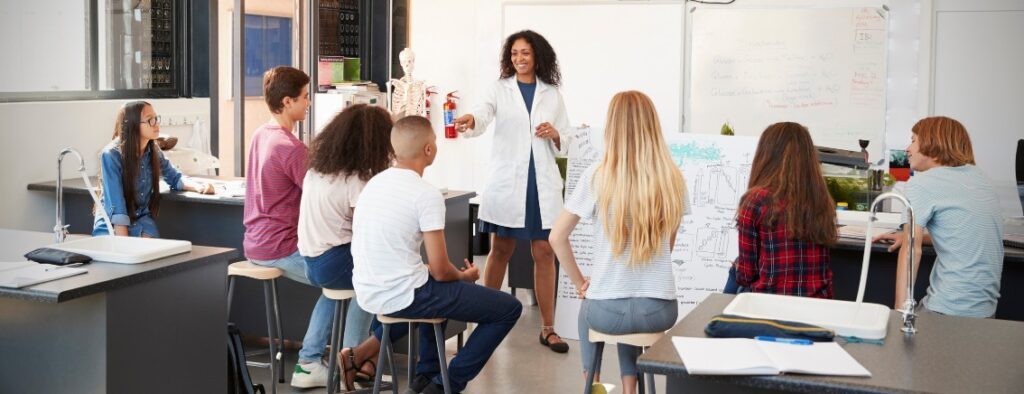
Phase 1 of Campus Without Walls’ research partnership with the American Institutes for Research (AIR) and collaborators — including the Wheelock College of Education & Human Development at Boston University, the Bouve College of Health Sciences at Northeastern University, and the Rennie Center examined how a teacher-to-teacher course-sharing model functioned across diverse schools and districts in Massachusetts. This phase studied a fully operational model in which educators opened their classrooms virtually and taught live, credit-bearing courses to students across multiple schools.
Campus Without Walls provided the infrastructure that enabled this work, including statewide coordination, professional learning communities, and instructional and technology support. The research focused on understanding how shared instruction worked in practice and what conditions supported quality, equity, and sustainability.
What We Studied
- How educators implemented shared, live virtual courses across districts
- How teacher collaboration and professional learning supported instructional quality
- How culturally responsive, project-based instruction translated across school contexts
- Early indicators of student engagement and relevance
- Implementation conditions that enabled or constrained scale
What We Learned
- Shared teaching strengthened educator practice through collaboration and peer learning
- Teachers valued access to new instructional resources and statewide professional networks
- Students gained access to rigorous, engaging courses not previously available in their schools
- Clear coordination, scheduling, and support systems were essential for success
These findings validated the core Campus Without Walls model while identifying key refinements needed to support growth and long-term sustainability.
Key insights from Phase 1 include:
80+
Open Courses offered across Massachusetts
147
Educators developed courses or received PD training
4,100
students served since 2021
Professional Development Provider
approved by DESE and Boston Public Schools
Results from Phase 1 Teacher to Teacher Model show:
85%
course completion rate
90%
student satisfaction
71%
students say courses deepen thinking and engagement
85%
teachers reported meaningful professional growth
89%
teachers feel more confident using new strategies and partnering with industry experts

Susy Remillard
CWW Lead TeacherPhase 2: A Student-Led, Open-Classroom Model
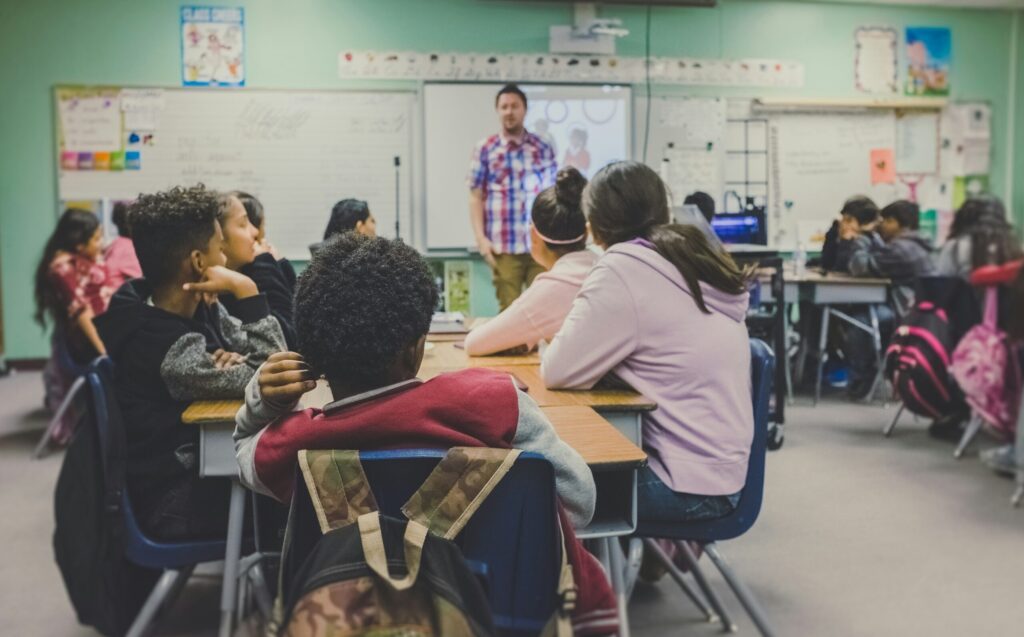
Phase 2 of Campus Without Walls represents a deliberate evolution from testing shared instruction to operationalizing a student-led, statewide system for course sharing and career-connected learning. Building on the findings from Phase 1, this phase centers student agency while maintaining the instructional quality, educator collaboration, and infrastructure that make cross-district learning possible.
In Phase 2, schools actively open their classrooms and make select, high-quality courses available to students across the Campus Without Walls network. These courses are delivered live and virtually during the school day and remain fully credit-bearing at students’ home schools. Rather than being limited to the offerings of a single campus, students can now choose from a broader menu of academic and career-aligned courses offered statewide.
Campus Without Walls is no longer testing whether course sharing works—it is refining how to scale a student-centered, equity-driven system that districts can sustain and grow together. Ongoing research and evaluation continue to inform improvements, ensuring the model remains responsive, effective, and adaptable as it expands statewide.

Omar Baez
11th Grade, Tech BostonContinued Research & Infrastructure Development
(2025–2027)
From 2025–2027, CWW is investing in the systems required for long-term sustainability and statewide scale:
- Building the statewide digital infrastructure for scheduling, enrollment, and live, virtual instruction.
- Refining the course exchange model, including policies for sharing, crediting, and staffing courses across districts.
- Advancing the partnership with the American Institutes for Research (AIR), including:
- A comprehensive logic model
- Cost analysis for scale
- Quasi-experimental evaluation measuring student, teacher, and school impact
Research Partners